


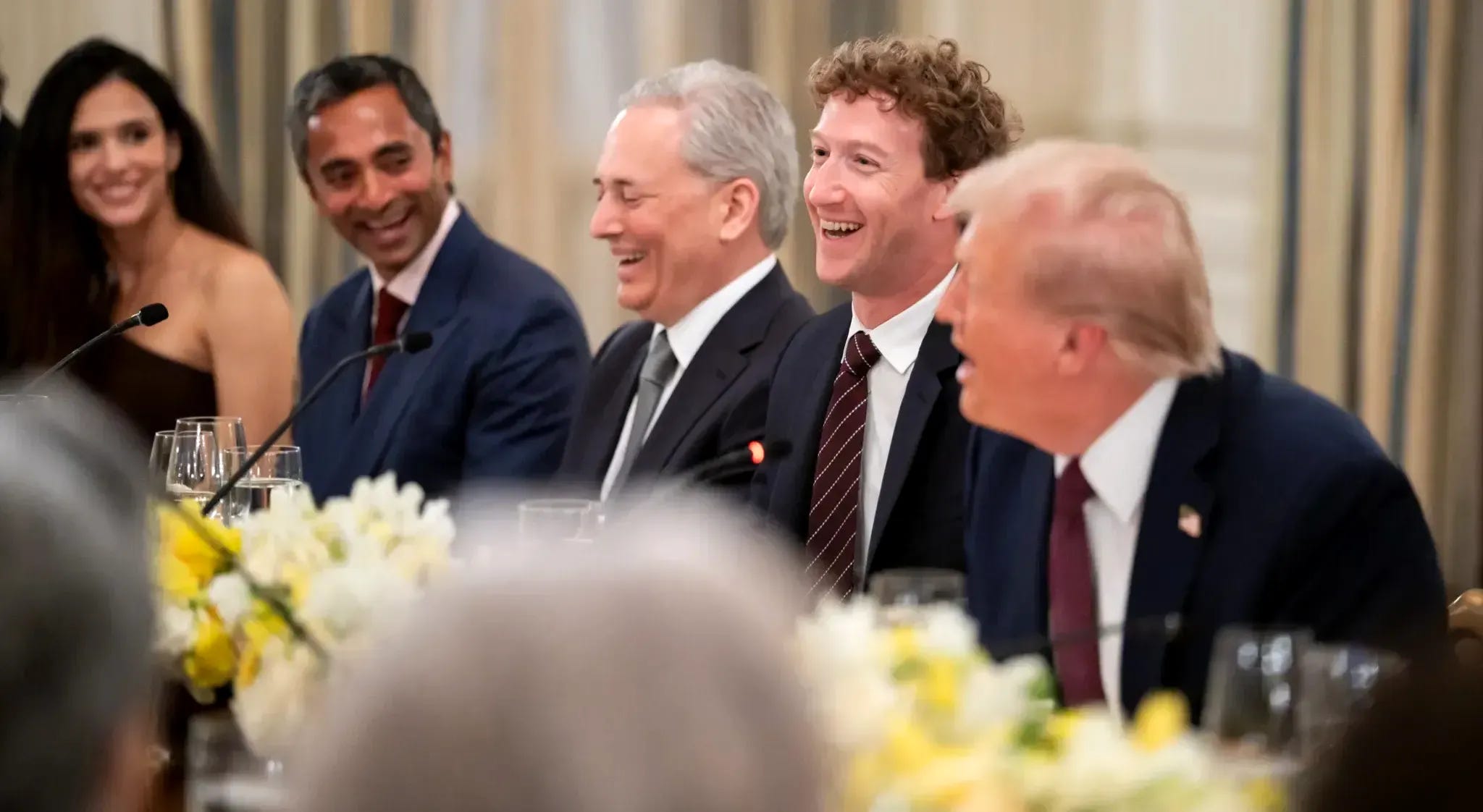
In a country where every issue risks a partisan battle – from gas stoves to meat consumption – it’s striking that a defining national question remains unclaimed: which party will stand up to Big Tech and shape the future of AI.
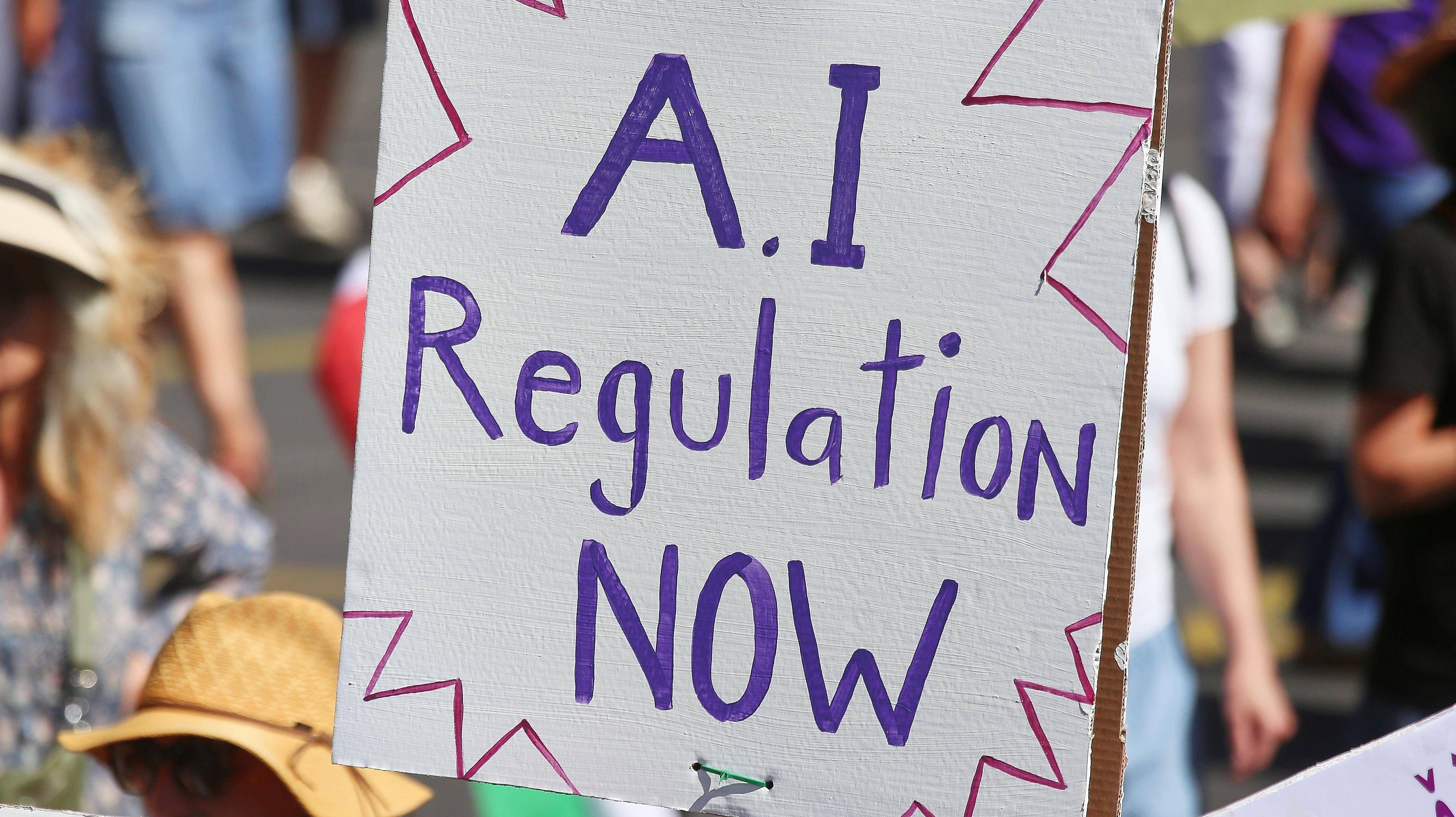
The country is already in the midst of a Big Tech backlash. Voters are souring on an industry that has amassed extraordinary power over their lives, and on the billionaire executives who wield it. By overwhelming majorities, Democrats, Independents and Republicans want tougher rules for AI, stronger protections on social media, and action to rein in Big Tech.
On paper, their champion should be obvious – taking on massive corporations on behalf of the working man is supposed to be home turf for Democrats.
Yet with the partial exception of data centers, the party has done little to channel public anger and anxiety – over AI, social media, and Big Tech more generally – into a recognizable platform or defining political fight.
The result is a remarkable political surrender. According to a recent Navigator battleground poll, a full 62% of swing voters say they trust neither Democrats nor Republicans to manage the impact of Big Tech, social media and AI.
That’s despite Republicans leaving the lane wide open.
The Trump administration is defying public opinion and pursuing an accelerationist approach to AI and data centers. The most meaningful AI legislation advanced by the Republican House last year was an effort to actually stop states from regulating.
Congressional Democrats, however, appear split between those trying to work with the GOP to advance modest, bipartisan guardrails, and those pursuing stronger rules and far more ambitious policies. The party has not yet unified behind a breakthrough rallying cry.
Liberty & Power spoke to five top Democratic pollsters and strategists about why the party remains so reluctant to confront the industry, what’s holding them back, and what they stand to gain if they do finally pick the fight.
With varying degrees of frustration, every strategist agreed that Democrats need to get more aggressive – as a matter of both policy and politics. They pointed to big money, timid leadership, short-term campaign incentives, and neoliberal economic instincts as reasons the party establishment had remained stuck in the past while voters had moved so far ahead.
The missing link: A sustained politics to match the public backlash – and a willingness to make an enemy of Big Tech CEOs. As political consultant Alyssa Cass put it, party leadership “is refusing to look more than five inches in front of their face.”
While frontline candidates in competitive races are beginning to seize on the Big Tech backlash, there is little national coordination. More concerning still is the lack of preparedness for 2028 – which several strategists we spoke to described as the “AI election” – as key Republican contenders like Josh Hawley sharpen their own anti-AI, anti-Big Tech rhetoric, threatening to outflank Democrats on an increasingly salient populist issue.
Five Strategists, One Message
“With our policy hat on, it’s very urgent,” said strategist Celinda Lake, one of President Biden’s top 2020 pollsters and President of Lake Research Partners. “The voters’ instinct is right – this issue is already way down the road.”
“Right now, it’s a true jump ball between Republicans and Democrats on who is trusted to lead on AI,” said Alex Jacquez, a senior advisor on Senator Bernie Sanders’ 2020 campaign and Senior Vice President at Groundwork Collaborative. “It’s ripe for the taking.”
Alyssa Cass, a partner at Slingshot Strategies, has been more involved in AI politics than most – she advised AI-engineer turned pro-regulation champion Alex Bores in NY-12’s crowded primary.
“Americans know enough about AI to know it’s a threat – they don’t know what party is going to stand up to it,” she said. “Taking on the AI oligarchs who want to colonize our kids’ brains, jack up our electric bills, and eliminate jobs – there’s no better way to show that you are against corruption, that you are on the side of people instead of the powerful.”
Adam Carlson, Founding Partner at Zenith Research, was blunt: “Democrats are blowing this. The public is on our side.”
AI policy is “in the ether right now,” said Ryan O’Donnell, Executive Director at Data for Progress, a progressive polling think tank. “It’s such a clear winner and it’s such a vacuum the Democrats need to fill,” he said. “This AI fight is the economic populism fight.”
What Voters Want
Democratic thought-leader Ezra Klein describes an emerging politics of ‘AI populism’ – a view among voters that AI development (and the Big Tech, Big Business forces behind it) represent not only a new technology, but “an elite political project to be resisted.”
The numbers back him up.
A battleground poll by Navigator Research found that 65% of voters agreed that AI executives are “part of a corrupt elite who profit off of harmful, addictive products and then use that money to manipulate politics and maximize their own profits at everyone else’s expense.”
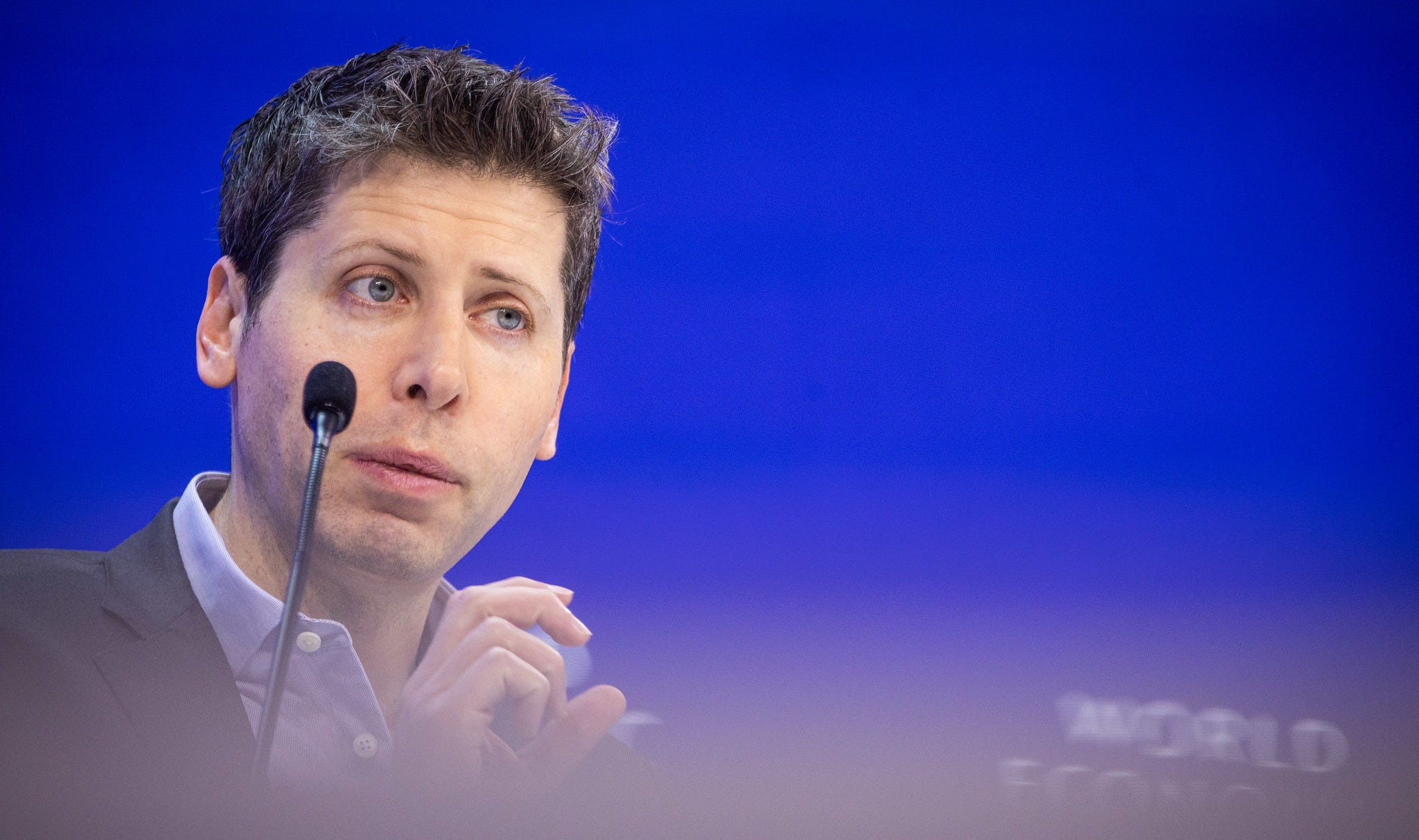
Across party lines, voters want Congress to act: 86% said it is important that the next Congress implement stricter safety standards for Big Tech, social media and AI companies. Between 65% and 76% of voters have a negative opinion of Big Tech, AI companies, social media companies and data centers.
Those majorities filter down to specific policy proposals too. Polling from the AI Policy Institute found strong support in both parties for mandatory AI guardrails, government safety testing of models, Big Tech whistleblower protections and more.
A recent Reuters/Ipsos poll showed 61% support for stronger oversight of social media companies, along with 66% support for banning social media from kids under 16 – numbers consistent with recent polling from Fox News and Pew Research.
‘Smart Republicans are Terrified’
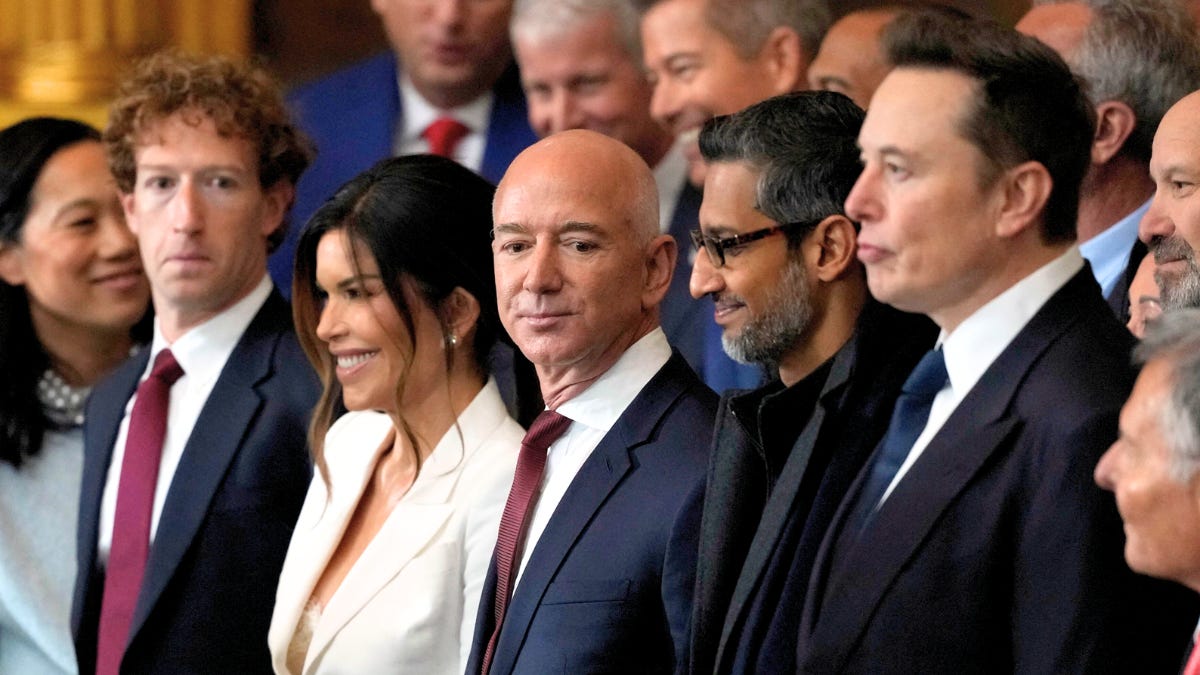
Taking on Big Tech presents an urgent opportunity for Democrats to pry working-class voters away from the MAGA movement – strategists say – by demonstrating their willingness to confront deeply unpopular corporate monopolies and portray the GOP as in their pocket.
“Smart Republicans are terrified that Democrats are going to weaponize this and turn it into a wedge issue and a hammer to smash them with,” said Cass. “There are few issues that are equally resonant to white-collar workers and blue-collar workers, and to Republicans, Democrats, and Independents – and never in my career have I seen concern about an issue bubble up this quickly among voters.”
“The people who are the most unfavorable towards AI are the exact people that we lost in 2024,” O’Donnell says. “They’re lower income, they’re more working class, they’re paying less attention to political news.”
Democrats need to stake their claim loudly now – picking fights with unpopular tech leaders and defining Republicans as their allies – or risk misreading the electorate and being outflanked by GOP candidates already scrambling to adopt more populist positions.
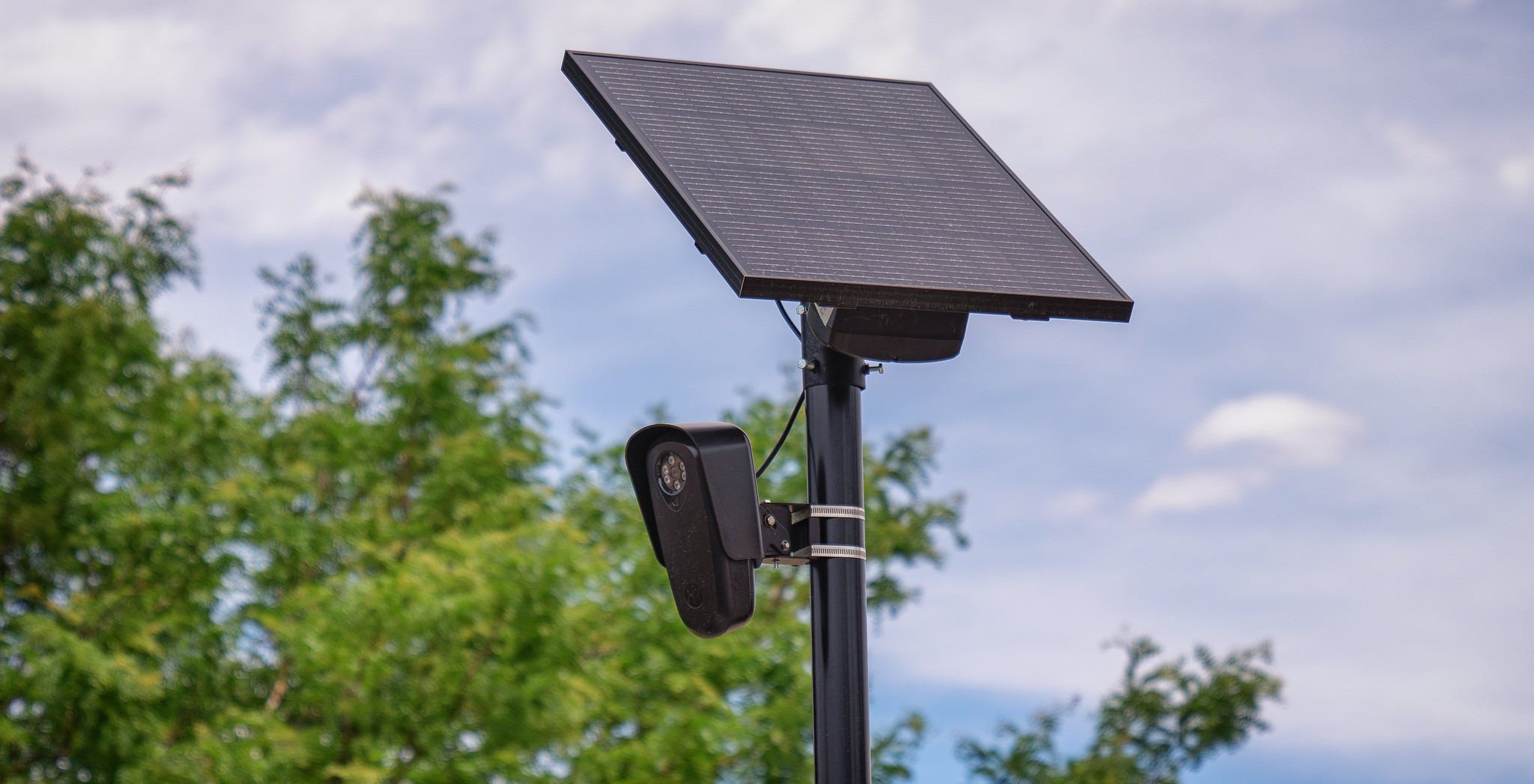
A recent Washington Post analysis, for example, found that in the emerging backlash against Flock cameras – a network of automated, AI-enhanced license plate cameras – right-wing social media accounts posted outrage against the “mass surveillance network” more than three times as often as left-wing accounts. The analysis included posts, podcasts and other public statements from prominent figures, including members of Congress.
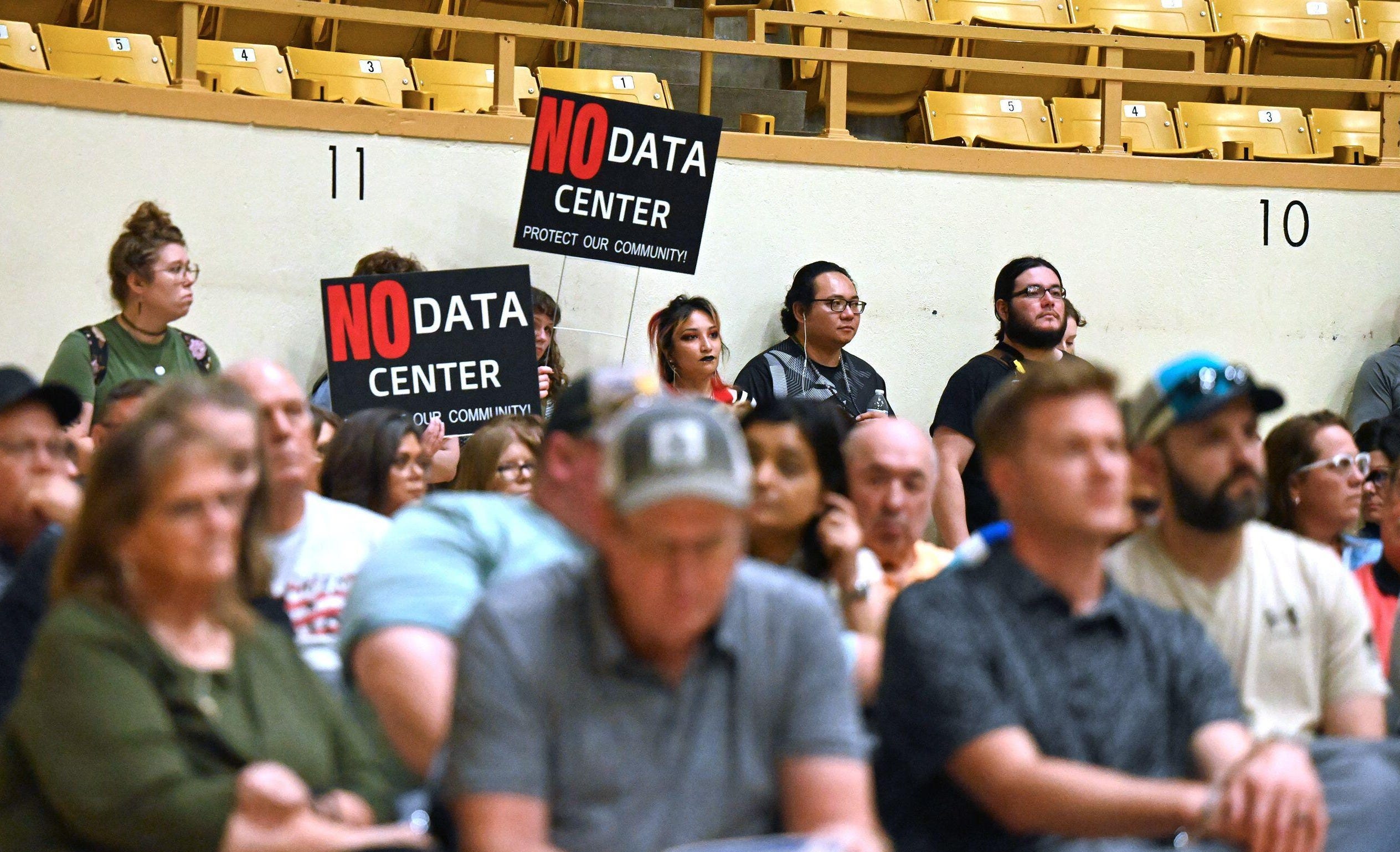
The rapidly shifting politics of data centers offers another preview of what’s at stake: backlash is spreading while politicians scramble to claim the issue. In several races, Republicans are outflanking Democrats, a warning that a vacuum is a vulnerability, as well as an opportunity.
The Trump administration seems to have missed the memo, however.
“Let Data Reign,” Trump posted last week. “The only reason that communities throughout the U.S.A. should not want Data Centers is if they want to end up being backwards and poor.” Congressional Republicans are not happy, though Trump has signaled that there’s room for daylight. “If a Republican’s against a data center, that’s OK with me,” he told reporters.
MAGA’s Big Tech Divide
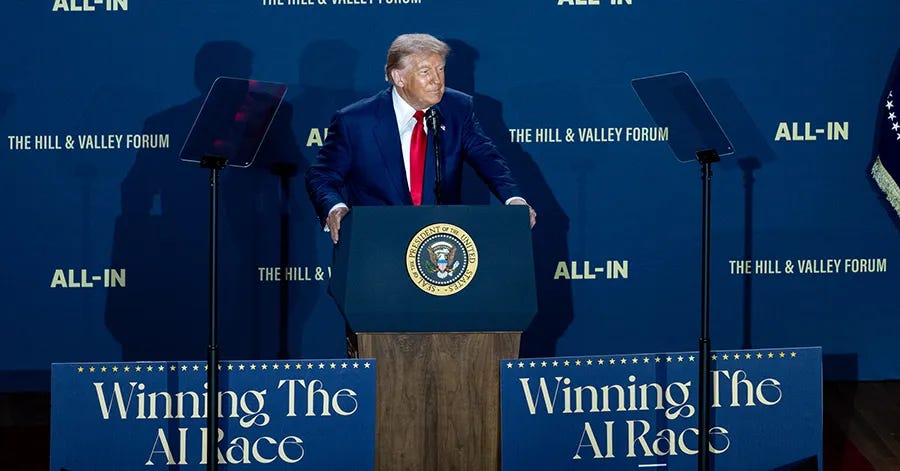
After the 2016 election, the Trump Administration seemed poised to take on Big Tech. The MAGA movement had cast Silicon Valley as pro-censorship, pro-Obama, anti-free speech, and woke.
In 2020, the administration took a slew of actions. It filed an antitrust suit against Google, with the company ultimately found guilty of maintaining an illegal search monopoly. It attacked Facebook’s acquisition of Instagram and WhatsApp, a case currently under appeal. And it issued a compulsory order to major tech platforms demanding data about algorithms, user surveillance, and impacts on children.
But as with much of Trump’s economic populism, fierce rhetoric has collapsed into accommodation, political favors and outright corruption. The AI buildout is a significant driver of economic growth in his second term – and industry leaders have learned that flattery, gifts and political donations can shift policy.
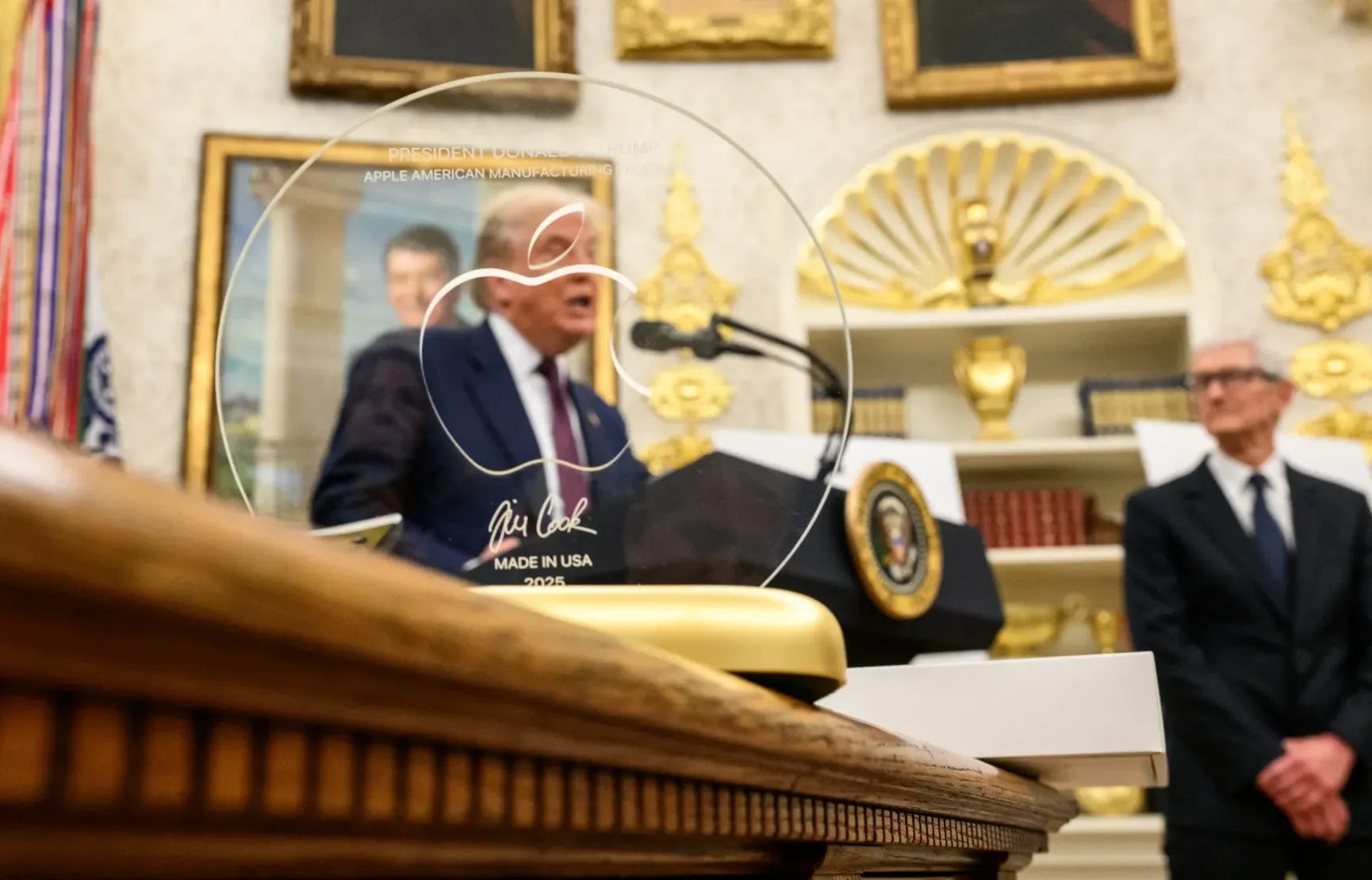
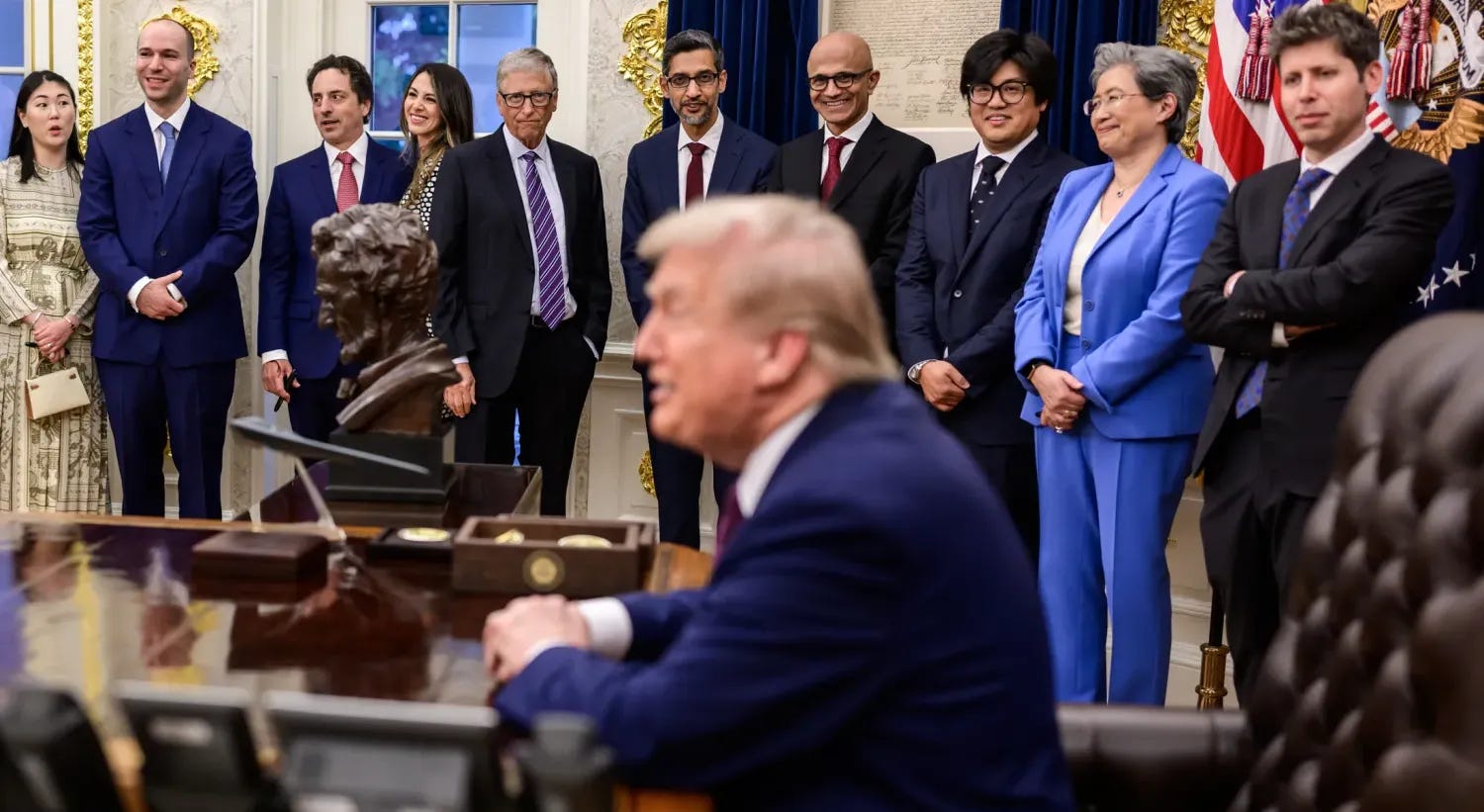
On the day after Trump’s 2025 inauguration – to which the nation’s top tech oligarchs had front row seats – the president announced a $100 billion artificial intelligence initiative from the Oval Office, joined by Oracle Chairman Larry Ellison and OpenAI CEO Sam Altman.
Six months later, the White House released an AI action plan filled with industry talking points. AI development was a race against China and a major national security priority, it said. The administration was focused on promoting the “rapid buildout of data centers” and described AI as “an industrial revolution, an information revolution, and a renaissance – all at once.”
The administration last week filed a brief defending OpenAI in a copyright suit filed by major authors and newspapers, claiming that “rules of law” in the United States like copyright “threaten national security and give a competitive advantage to foreign adversaries who are not so encumbered.” While some members of the administration have voiced concerns about AI threats, and the White House has slowed the rollout of some models, action has been limited.
Jacquez summarizes their message: “AI is going to take all your jobs and it might kill all of us – and we have to deploy as fast as possible to beat China.”
But unless Democrats make this an issue, draw a sharp contrast, and turn Trump’s industry alignment into a political liability, they cannot expect this to be a clear political winner in the midterms and beyond.
Missouri Senator Josh Hawley, a potential 2028 contender and one of the few national Republicans to consistently critique monopoly power, has emerged as a leading AI populist in the Senate. His rhetoric wouldn’t be out of place on the progressive left. “New-right populism,” Jacquez calls it.
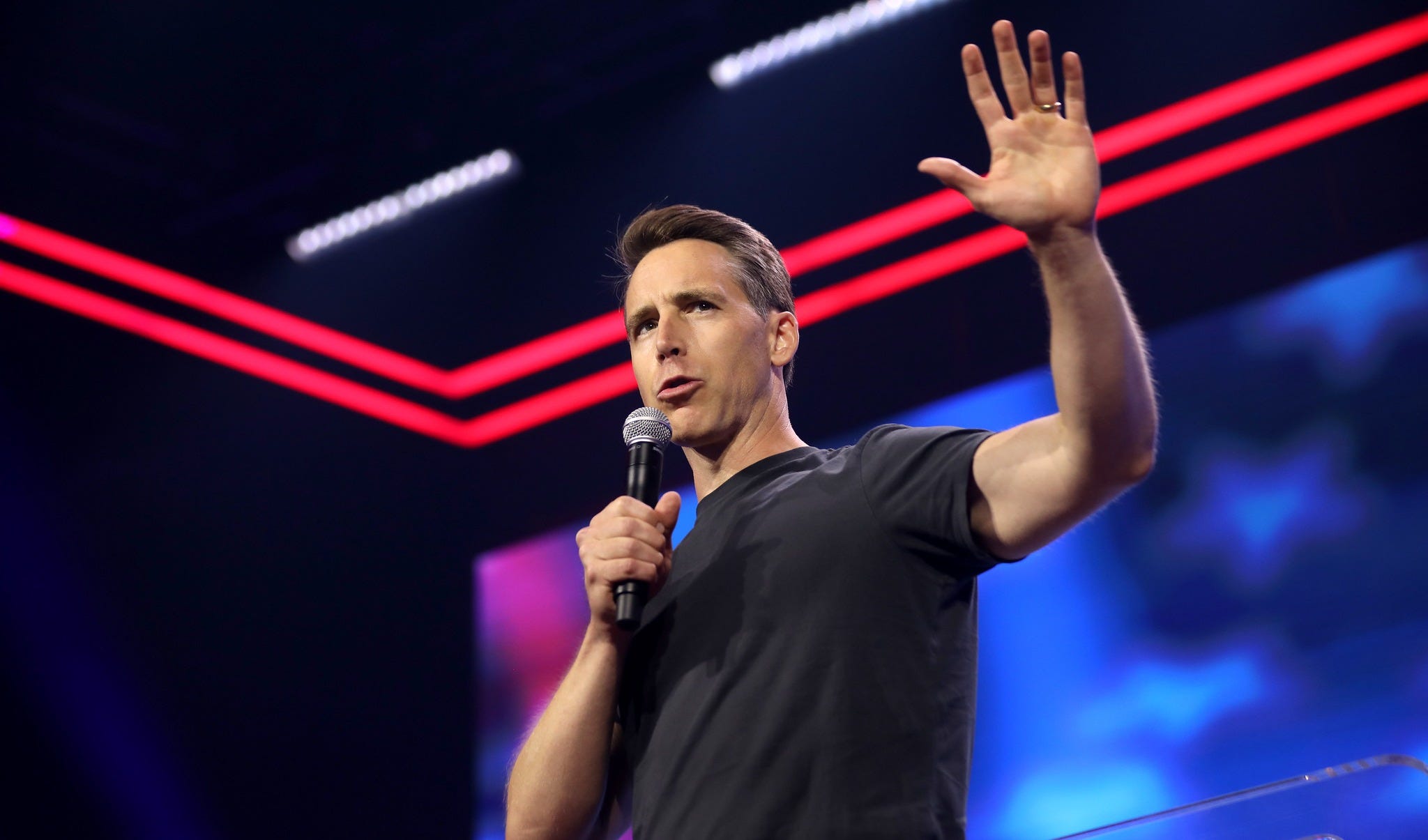
“How can we protect the rights of working people such that they are augmented, empowered, raised to a new level of productivity by AI and not replaced?” Hawley asks in one slickly produced video. Are we going to “care for the most vulnerable? [...] or are we going to have a society and an economy frankly where profit is the only goal – it is God – and we run over anything and everything that’s in the way in the pursuit of profit?”
Last month, Senator Hawley railed against AI surveillance pricing, describing it as the “unholy trinity” of everything Americans hate. “Spying on people, ripping them off, and taking away jobs.” It’s a partnership “between the AI industry and some of the biggest corporations in America to effectively scam consumers out of every last dollar they have,” he said.
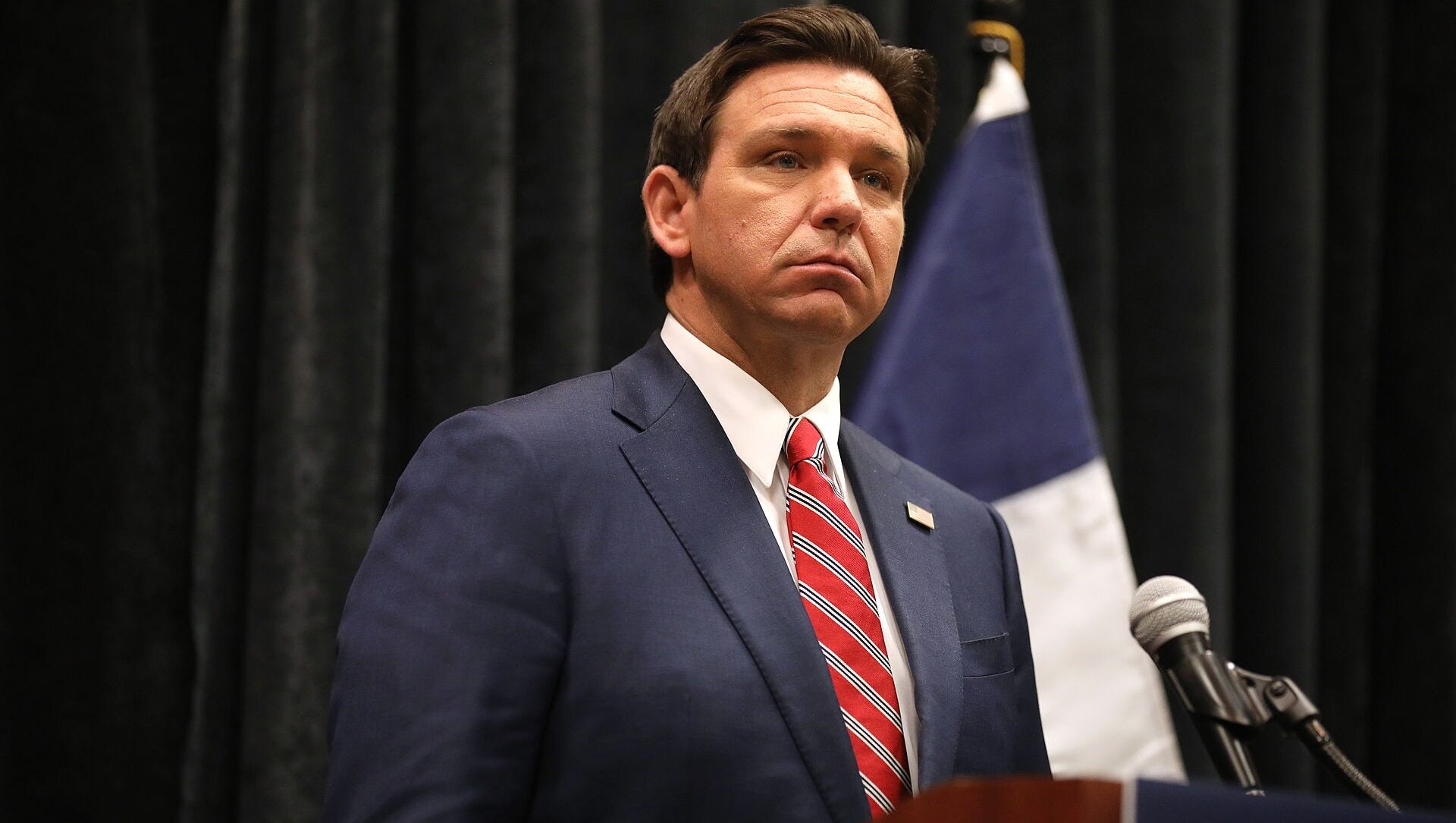
Florida Governor Ron DeSantis has also adopted a populist tone. Floridians cannot end up as “roadkill” in the AI revolution he said in his push to pass his AI Bill of Rights. The governor’s regulatory package has stalled in the Florida House, fractured by GOP infighting, industry pushback, and fears of defying a Trump Executive Order banning state-level rules.
Vice President JD Vance is in a more challenging position. He’s “handcuffed” to the president, a former administration official told Politico, yet will likely seek to stake out his own position.
How Democrats Lost Their Way
Why have Democrats left such fertile political ground largely uncontested? Strategists pointed to money, timidity, short-term incentives and outdated economic orthodoxies pulling the party away from public opinion.
“Both parties are fairly tied to high-tech money,” said Lake. “Our inability to reckon with it because we’re too donor-obsessed is a real indictment of our leadership,” said Carlson.
It reflects a wider problem: After years of courting business support and echoing Republican rhetoric on trade, economic efficiency and deregulation, voters now see “corruption and being beholden to billionaires” as a “both sides” problem, Democratic messaging guru Anat Shenker-Osorio told Liberty & Power for a previous piece.
But the role of money is more complicated than donor capture. Big Tech spending shapes advice from consultants and nonprofits. Unprecedented war-chests in the hands of AI super PACs threaten to single-handedly swing races.
Many Democrats remain scarred by the crypto industry’s $160 million blitz in 2024, including $40 million in Ohio to defeat Senator Sherrod Brown. AI groups are now engaged in similar spending campaigns.

So far this cycle, AI, Big Tech, online betting corporations and crypto backers have spent $294 million, according to Data for Progress, accounting for more than half of the $517 million spent by corporations overall. Data for Progress polling also found that voters see AI money almost as toxic as AIPAC money – the most toxic of all contributors tested.
Lake points the finger at fellow consulting firms too. “The high-tech industry has approached almost all of the firms, not just the Republican firms, but almost all of the Democratic firms to work for them,” she said. Comparing it to the effect with Big Pharma, which also hires major firms, she says it “slows down the consulting class in recommending that these issues be used.” Her own firm has been approached repeatedly by Big Tech clients.
Cass is unforgiving: “As recently as this spring, you could see clear signs of some members of Democratic leadership, some consultants, and institutional players seemingly cowed by the threats of unlimited spending, and advising members or candidates not to stick their heads up on AI regulation. By the end of the summer, the politics have intensified so much that even this typically cautious portion of the party recognized that sitting still is not a tenable position.”
Cass has just experienced that spending firsthand. An OpenAI-backed super PAC network targeted Cass’ client, Alex Bores, with $8 million in attacks. Rather than retreat, Bores continued to make AI regulation a defining feature of his campaign.
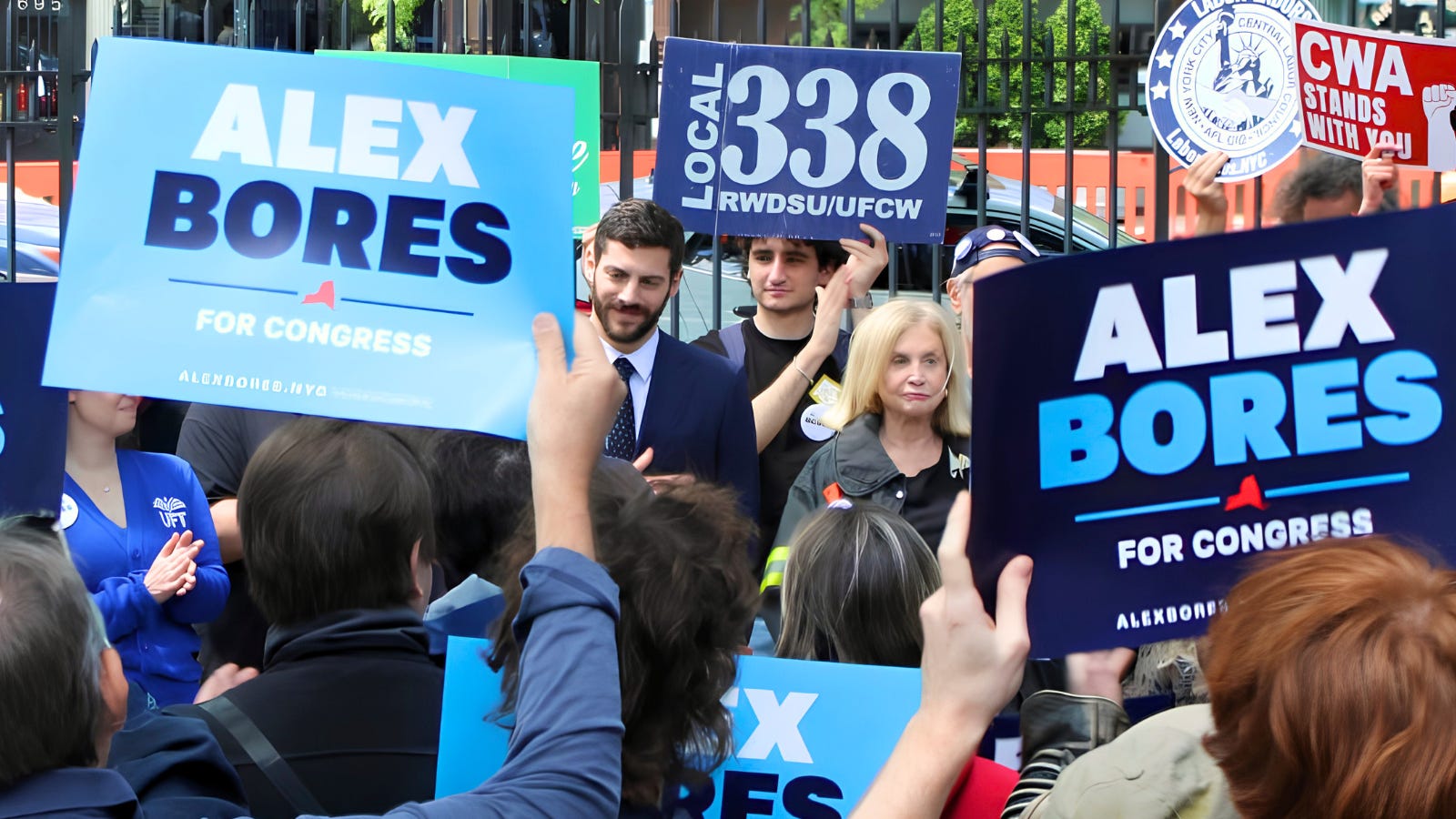
Early in the campaign, Cass described the spending as a “gift” that offered him a proof point to define his lane in the crowded race. “When voters learn who Alex’s enemies are, they think this guy is on my side.”
The race later became more complicated: Bores received $12 million in support from an Anthropic-linked super PAC network, making NY-12 one of the most expensive primary races in history. He ultimately fell short – placing a strong second (34.9%) behind Micah Lasher (38.9%).
The loss has done little to shake Cass’ conviction that taking on Big Tech is a political winner. “Taking money from the parts of this industry that want zero guardrails, zero regulation, and to set the rules of the road themselves is so deeply out of touch with where the electorate already is – and where it’s going.”
Money isn’t the only problem. Jacquez – who worked on labor and economic issues for the Biden White House, Senator Sanders’ office, and the Obama White House – points to neoliberal economic instincts as well.
“The idea that low-paying or dangerous jobs will be automated away and creative destruction will bring new opportunities to other jobs – this is kind of how technocrats think the economy should work,” he said. “Democrats are a little hesitant to say they’re going to block progress to protect incumbent jobs.”
Voters are less conflicted. “Even if it slows progress, even if it’s not as productive, even if it makes the economy slow down in the long run, people don’t really care,” Jacquez said. “They want to protect their jobs.”
Fighting to Remake the Democratic Brand
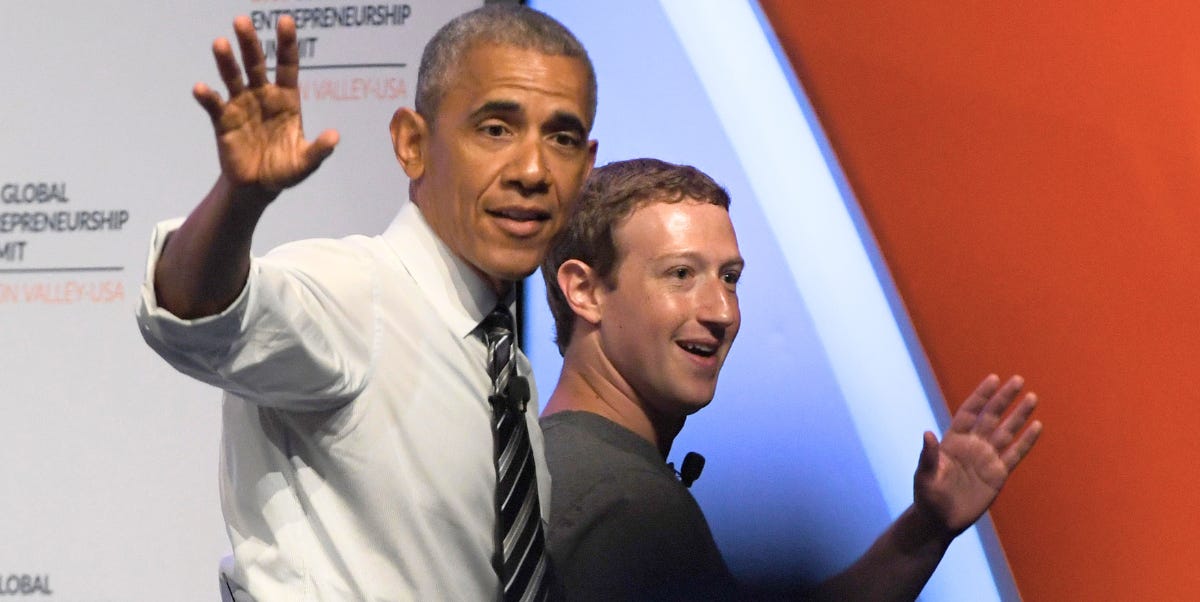
President Obama’s rapport with tech leaders was once seen as a political asset as the industry delivered innovations like the iPhone, Netflix and Uber in the 2000s.
Silicon Valley was “the crown jewel of our innovation economy,” the president said in 2014, before voters soured on Big Tech amid scandals over teenage mental health, Russian disinformation, rage-baiting algorithms, political censorship, rampant privacy violations, and elaborate tax avoidance schemes.
The Biden Administration pursued more aggressive antitrust enforcement against Big Tech under DOJ antitrust head Jonathan Kanter and FTC Chair Lina Khan. But neither the White House nor Kamala Harris’ campaign sought to antagonize the industry, or to instigate the type of public brawl that would make the fight a political centerpiece. Harris, previously California’s Attorney General, counts industry leaders among her major donors and inner circle.
Despite fits and starts from both parties, Washington is a graveyard of Big Tech regulation.
As the Biden Administration was beefing up antitrust enforcement, Senate Majority Leader Chuck Schumer was stalling a vote on what Time Magazine called the “bills that Big Tech fears most.” The bipartisan bills would have made it easier for competitors to sell products on dominant marketplaces (like Amazon) and app stores (like Google’s).
In the House, Democratic Leader Hakeem Jeffries has been wary of confronting an industry pouring massive sums into competitive races.
Last year, Jeffries packed the new House Democratic Commission on AI and the Innovation Economy with pro-business moderates while lauding the “brilliance and ingenuity of the innovation community.” Other moderate Democrats also speak of fostering innovation and giving the US a competitive edge, twinned with modest oversight.
Less gun-shy is Senator Bernie Sanders.
The second-oldest member of the Senate has developed perhaps the sharpest Big Tech and AI messaging in the country – posting viral videos of conversations with AI models, attacking the industry for fueling inequality and ignoring safety concerns, and folding AI into the pro-worker, anti-billionaire populism he has championed for years.
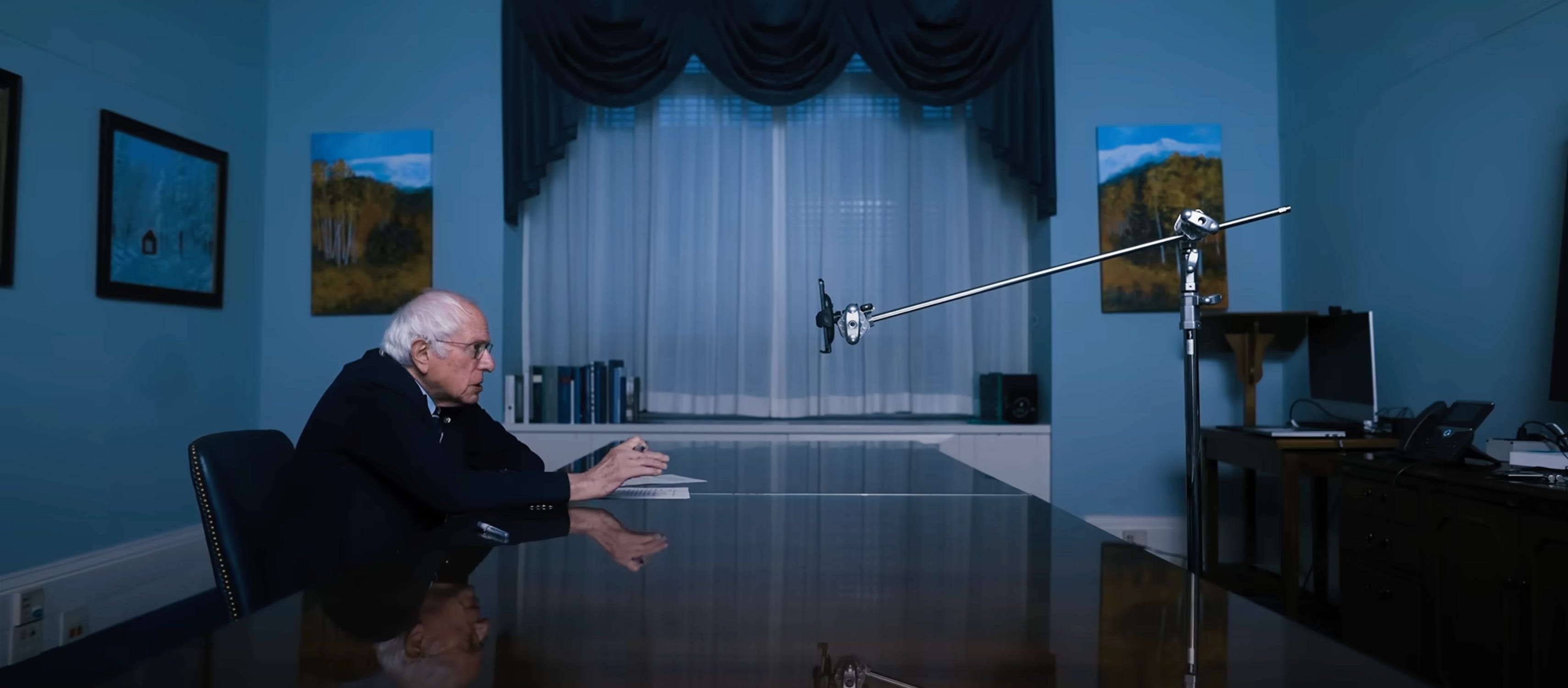
Sanders has paired his message with characteristically sweeping policies – including the data center moratorium and a proposed 50 percent public ownership stake in the country’s largest AI companies.
While his data center skepticism has leapt from the left to the bipartisan center in less than nine months, his public ownership proposal has attracted less support, even on the left. “This is not an effective way to influence corporations to act in the public interest,” reads one critique. “In fact, it makes corporate influence on the government more likely.”
Sanders has succeeded in reframing the political question: who will reap the rewards of Big Tech’s latest mass disruption, and who will pay the price? “Bernie’s trying to force a conversation around bigger-picture problems,” said Jacquez, a senior policy advisor on Sanders’ 2020 campaign.
The Choice Ahead
Republicans clearly have a way to go before claiming the lead on Big Tech. But with Hawley already marrying AI anxiety to attacks on corporate power, Democrats risk giving populist Republicans an opening to repeat Trump’s success in scrambling traditional coalitions and pulling working-class voters right.
Democrats may have the more natural claim to that politics – but natural advantages mean little if they go unused.
“Smart Republicans are terrified,” Cass said. Maybe Democrats should have a little more anxiety too.
Another
GPU
INVOICE
Trash the Democratic party less than sixty days before an election that will literally determine what we are to be. Way to suppress enthusiasm. I am sick of this, because these scolds do not fix any problems.